BEYOND BLURRY VISION AND DIABETIC RETINOPATHY: 4 SURPRISING WAYS DIABETES CAN MESS WITH YOUR EYES
Dr. G: Today, we’re going “Beyond Blurry Vision” to explore the other surprising and sometimes lesser-known ways diabetes can impact your precious eyesight. Because truly understanding the full spectrum of risk empowers you to protect your vision even more effectively.
Dr. G: So, we know that chronic high blood sugar levels can damage the delicate blood vessels in your retina, leading to diabetic retinopathy. But diabetes is a systemic disease, meaning it affects your entire body, and your eyes are no exception. The human eye is an incredibly complex organ, and high blood sugar can wreak havoc in more ways than one.
Video: Animated graphic simulation of a lens (as in the eye) as it slowly becomes cloudy.
Dr. G: Let’s start with a very common eye condition that’s often associated with aging, but is significantly accelerated by diabetes: Cataracts.
Dr. G: A cataract is simply the clouding of your eye’s natural lens. Every eyeball has a lens inside it. This lens sits just behind your iris and pupil, that black opening in front of your eye, that is the pupil. Normally, this lens is clear, allowing light to pass through sharply. But with diabetes, the excess sugar can accumulate in the lens, changing its chemical composition and causing it to become cloudy much faster than in someone without diabetes. This means people with diabetes tend to develop cataracts at a younger age and often experience them progressing more rapidly.
Dr. G: If you’re experiencing hazy vision, dulled colors, or difficulty seeing at night, it could be a cataract. While cataracts are treatable with surgery, preventing their early onset or progression by managing your blood sugar is always the best approach.
Dr. G: Next up, another sight but very dangerous threat: Glaucoma.
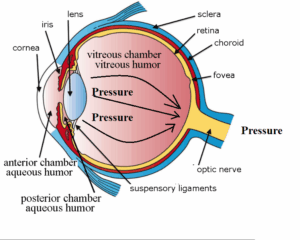
Figure 1: Fluid inside the eye builds up exerting undue pressure on the Optic Nerve
Dr. G: Glaucoma is a group of diseases that damage the optic nerve, the vital cable that connects your eye to your brain. This damage often occurs when the pressure inside your eye, called intraocular pressure, becomes too high. And guess what? Diabetes more than doubles your risk of developing certain types of glaucoma!

Figure 2: An image of a constricted field of vision, like looking through a tunnel as obtains in end stage glaucoma.
Dr. G: The terrifying thing about glaucoma, much like early diabetic retinopathy, is that it often has no symptoms in its early stages. You don’t feel pain, and you might not notice any vision loss until a significant amount of the optic nerve has been damaged, leading to irreversible peripheral vision loss – that’s like looking through a tunnel. We shall have the occasion to talk about glaucoma again and again for it is a terrible eye disease. This is why regular eye exams, where we measure your eye pressure and examine your optic nerve, are absolutely crucial, especially if you have diabetes.
Dr. G: Let’s talk about something that can be incredibly uncomfortable and is also linked to diabetes: Dry Eye Syndrome.
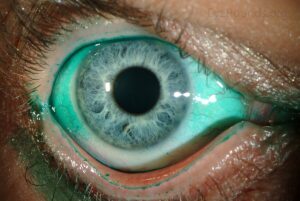
Figure 3: Dry eye stained with lissamine green.
Dr. G: Dry eye occurs when your eyes don’t produce enough tears, or the tears they do produce aren’t of the right quality or quantity. For people with diabetes, chronic high blood sugar can damage the tiny nerves that control tear production, or it can alter the composition of your tears. This can lead to persistent irritation, burning, redness, and a gritty feeling – making everyday tasks uncomfortable and impacting your quality of life.
Dr. G: If you’re constantly reaching for eye drops or feeling like there’s something in your eye, it’s worth discussing with your eye doctor, especially if you have diabetes. There are many effective treatments for dry eye, and managing your diabetes can certainly help.

Figure 4: With Dry Eye syndrome, there is the need to constantly put artificial tears into the eye.
Dr. G: Now, here’s a curious one that often causes confusion: Fluctuating Vision.
-
-
- “Sudden changes in blood sugar,”
- “Causes lens to swell/shrink,”
- “Vision gets blurry, then clear, then blurry,again
- “Not permanent damage (usually).”)
-
Dr. G: Have you ever noticed your vision becoming blurry after a high blood sugar reading, then clearing up once your sugars normalize? This isn’t usually a sign of permanent damage, but rather a temporary effect of your blood sugar levels. When blood sugar levels are high, the lens inside your eye can swell. When they drop, the lens shrinks. This constant change in shape can cause your vision to go in and out of focus. It’s a clear sign that your blood sugar is out of whack and needs better control.
Dr. G: Finally, a less common but impactful issue: Double Vision (from Cranial Nerve Palsies).
1.”Diabetes can affect nerves controlling eye muscles,”
2″This causes temporary double vision,”
3.”Often resolves with blood sugar control,”
4. “Important to get checked to rule out other causes.”)
Dr. G: Diabetes can sometimes affect the nerves that control your eye muscles. When one of these nerves is damaged, it can cause the eye to turn inwards or outwards, leading to sudden double vision. While seeing double can be very alarming, these palsies often resolve on their own with careful blood sugar management over several weeks or months. However, it’s absolutely crucial to get this checked out immediately, as double vision can also be a symptom of other serious conditions.
Dr. G: So, as you can see, diabetes is a formidable opponent when it comes to your eyes. It’s not just about retinopathy or blurry vision. It’s about cataracts forming too early, glaucoma sightly stealing your peripheral sight, uncomfortable dry eyes, frustrating fluctuating vision, and even sudden double vision.
The Takeaway: Proactive Eye Care!”
- “Annual Dilated Eye Exams (critical!),”
- “Strict Blood Sugar Control (HbA1c),”
- “Manage Blood Pressure & Cholesterol,”
- “Don’t ignore ANY new symptoms!”
Dr. G: The good news is, by being aware of these risks and taking proactive steps, you can significantly reduce your chances of experiencing these complications. This means:
- Strictly managing your blood sugar levels – work with your doctor to keep your HbA1c in target range.
- Controlling your blood pressure and cholesterol – these are also vital for eye health.
- And most importantly, getting regular, annual dilated eye exams. Your eye doctor is your best defense against all these sight threats. They can detect problems often before you even notice them.
Dr. G: Don’t let diabetes catch you off guard when it comes to your vision. Be informed, be proactive, and prioritize your eye health. Your eyes are priceless, and they deserve the very best care.