
Dr. Oteng Gyang
MAGNESIUM: IS IT IMPORTANT FOR MY HEALTH?
Hello everyone, and welcome. Today, we’re talking about a vital micro nutrient that’s been getting a lot of attention lately: Magnesium.
And the question is whether Magnesium is an essential element for your health.
Have you been having poor sleep, low energy levels and stressed muscles ? Well, some people on social media are linking symptoms like poor sleep, tense muscles, and low energy levels to a magnesium deficiency. The truth is, they might be on to something.
Research suggests that a significant portion of the population in developed countries isn’t consuming enough of this critical element.

The Role of Magnesium in the human body.
So let’s start by asking what is Magnesium’s Role in the Body
In other words, what exactly does magnesium do for us?
And the answer is that Magnesium is a superstar mineral that helps over 300 enzymes perform essential chemical processes inside your body. Think of it as a key player in a wide range of functions inside your body. Let’s list the most important ones:
Number 1: the production of proteins
- Number 2: the maintenance of strong bones
- Number 3: the control of blood sugar and blood pressure levels
- Number 4: the provision of support for healthy muscles and nerves
- Number 5: action as an electrical conductor to help the heart beat and muscles contract.
- So my friends, because it’s so fundamental to our health, not getting enough can lead to serious problems down the line.
ARE YOU GETTING ENOUGH OF THIS VITAL ELEMENT?
Our next question is whether you are getting enough of this vital element and if not, how to recognize a deficiency. A magnesium deficiency can be tricky to diagnose because blood tests don’t always show the full picture.
And symptoms might not appear until the deficiency is more serious, but common signs of magnesium deficiency include weakness, loss of appetite, fatigue, nausea, and vomiting.

If this deficiency is left unaddressed, a long-term deficiency can lead to an increased risk of chronic illnesses such as cardiovascular disease, osteoporosis, and type 2 diabetes.
While anyone can become deficient, certain groups are more at risk, including children, older people, post-menopausal women, and those with certain conditions like celiac disease or type 2 diabetes.
HOW AND WHERE TO GET YOUR DAILY DOSE
Next question is where and how to get the necessary daily dose?
The good news is, for most of us, it’s entirely possible to get all the magnesium we need from our diet. The daily recommended amount is about 400-420mg for men and 310-320mg for women.
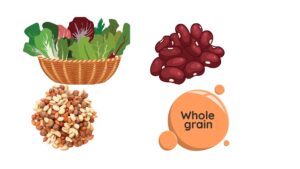
The best sources of Magnesium are whole foods, such as:
- Number 1: Nuts and Seeds: One ounce of almonds provides 20% of your daily needs!
- Number 2 : Whole Grains and Beans
- Number 3: Green Leafy Vegetables: Like kale and broccoli, spinach, cocoyam leaves
- Number 4: Milk and Yogurt
While it’s true that modern food processing can reduce the magnesium content in some foods, with careful planning, a balanced diet can provide everything your body needs.

AND WHAT ABOUT SUPPLEMENTS?
And what about supplements ?
While diet is the best source, some individuals—especially older adults or those with specific health conditions—may need a supplement. However, it’s crucial to consult with a doctor before starting any supplements
HOW ABOUT TAKING TOO MUCH MAGNESIUM ?
Next we ask whether taking too much magnesium can lead to health issues.
Taking too much magnesium can cause side effects like diarrhea, low mood, and low blood pressure. It’s also vital for people with kidney disease to avoid them unless prescribed. Additionally, magnesium can interfere with the effectiveness of certain medications, including some antibiotics and heart medications.
Remember, supplements are not a quick fix. The best approach to long-term health is a balanced diet, exercise, and good sleep. Vitamins and minerals are always better absorbed when they come from whole foods.
So, my friends, let us focus on a healthy lifestyle first, and talk to your doctor to ensure you’re giving your body all the magnesium it needs to thrive.