“You Are Going Gluten-Free: Is it a necessary Health Shift or Over-hyped Trend?”
Introduction: Many Supermarkets are overflowing with gluten-free options. Is giving up gluten the right move for most adults?
Understanding Gluten: Gluten is a protein found in some cereals, like wheat, barley and rye. For individuals with Celiac disease, eating gluten triggers an immune reaction which damages their small intestines. Such food consumed is not properly absorbed and this could lead to nutritional deficiencies.
So What is Celiac Disease?
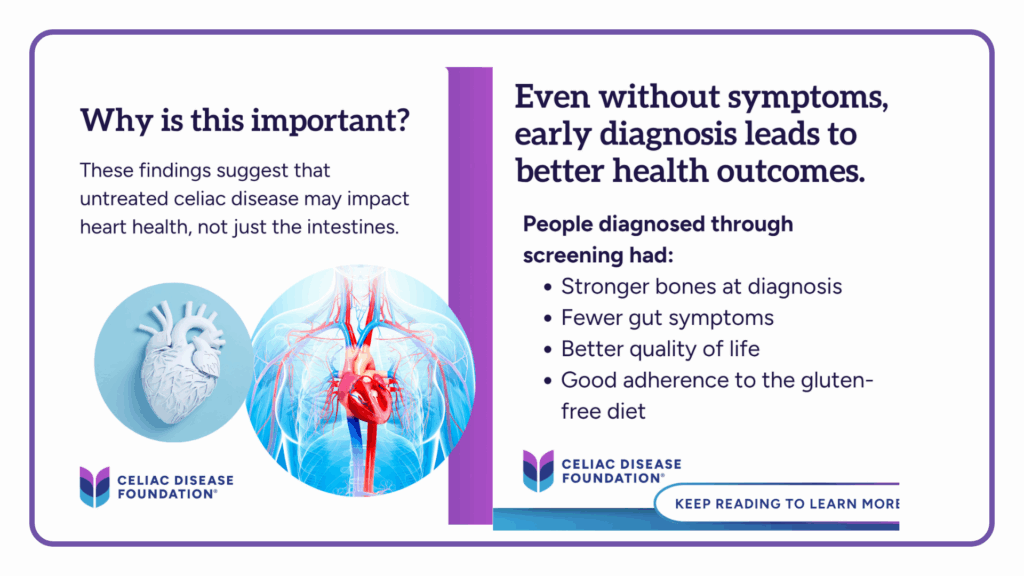
According to the National Institute of Health, Celiac disease is a genetic problem which is characterized by a chronic digestive and immune disorder. Like arthritis, it is an autoimmune disease. Symptoms of Celiac disease include diarrhea, abdominal pain, iron deficiency anemia, osteoporosis and even skin rashes.
So who is affected?
Two groups of people have been identified:
(1) those with Celiac Disease (2) those with Non-Celiac gluten sensitivity.
Those with Celiac Disease (CG)
The characteristics of persons affected by Celiac disease has been described above. A research study published in 2018 by the Celiac Disease Foundation, based on published biopsy results from all parts of the world show that 0.7% of the global population is affected. However, prevalence varies in different countries: 0.4% in South America, 0.5% in Africa and North America, 0.6% in Asia and 0.8% in Europe and Oceania. Other studies based on blood tests show a 1.4% of global population is affected.
Those with Non-Celiac Gluten sensitivity (NCGS)
NCGS is a self-reporting condition causing some controversy in the research and medical literature. However, NCGS refers to people who are gluten intolerant. This means that when they eat gluten products, they report gastrointestinal inflammatory problems among others. They feel tired, nauseous or bloated. Current estimates of the global prevalence lie between 0’5% – 13% of the world population.
So who Should Go Gluten-Free?
For those with Celiac disease and those who are gluten intolerant, the primary treatment is a strict gluten free diet. This is because, if left untreated, Celiac disease can lead to malnutrition, anemia and even some types of cancer.
So what are the Pros of Going Gluten-Free:
Three advantages can be cited:
1. Reduced bloating and digestive distress: People with these conditions feel relieved after eating
2. Improved energy levels : People who are gluten intolerant can fully digest their foods and get all the nutritional benefits in the diet consumed.
3. Better skin and mood in sensitive individuals: Individuals who could not otherwise have absorbed all the nutrients in their diets can now get the full benefits of their diets resulting in better mood and skin texture.
What about all others not found within these 2 groups? Cons for the General Public:
1. Risk of nutrient deficiencies (fiber, B vitamins): Many gluten-rich foods like wheat, barley and rye contain fiber and B vitamins that are essential for good health. Elimination of these foods in diets could result in poor nutritional deficiencies.
2. Heavily processed gluten-free foods can be high in sugar and fat. Ad this can lead to nutritional and improper development and health issues.
Conclusion: The conclusion is simple. Unless it has been found medically necessary, or confirmed through a proper self study and analysis, a gluten-free diet isn’t inherently healthier. What is healthier is a mindful eating habit.
==============================END ========================================
Life after a celiac disease diagnosis comes with many changes, but you don’t have to face it alone. Finding a supportive community can make all the difference. When you connect with others who truly get it, you gain more than just tips and recipes. Building a community helps you gain confidence, encouragement, and a sense of belonging.Contact the Celiac Disease Foundation. #CeliacDisease #Celiac #CeliacAwareness #GlutenFree #GlutenFreeLiving #CeliacStrong
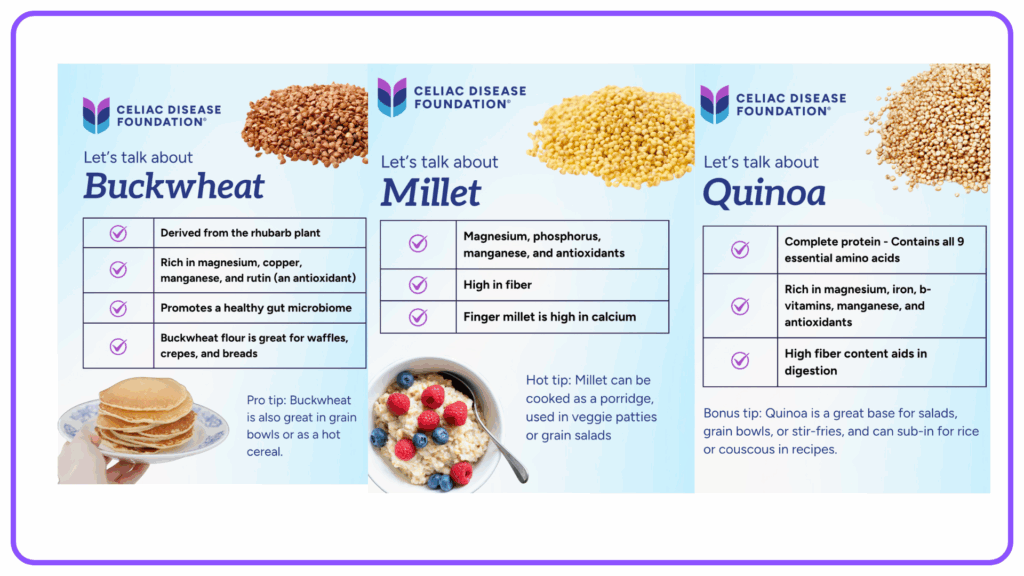
Gluten-free means no wheat, rye, or barley, but check out these three gluten-free grains with pretty cool health benefits! Swipe to learn more about buckwheat, quinoa, and millet! #GlutenFree #GlutenFreeLife #CeliacDisease #Celiac #CeliacAwareness